Tapestry integrates Coach and Kate Spade into Google AI shopping ecosystem to capture consumers at the point of inspiration

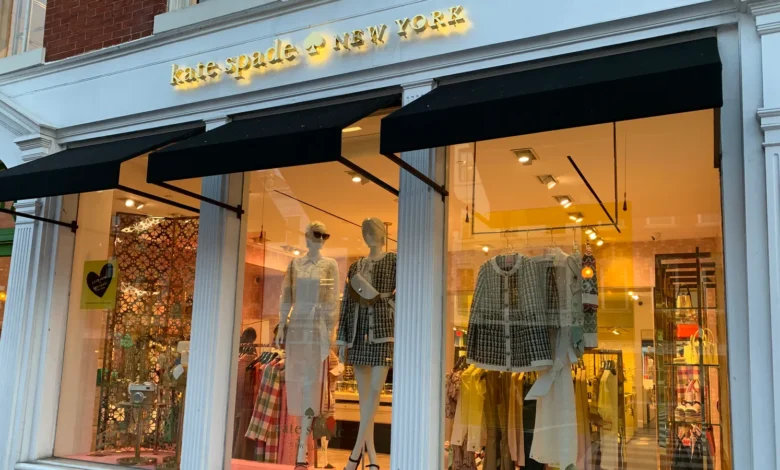
The luxury retail landscape is undergoing a profound transformation as heritage brands shift their digital strategies to meet consumers in the emerging era of generative artificial intelligence. Tapestry, the parent company behind iconic fashion houses Coach and Kate Spade, has officially announced the integration of its product catalogs into Google’s AI-powered shopping ecosystem. This strategic move marks a significant evolution in how these brands interact with their customer base, aiming to bridge the gap between initial product discovery and final purchase through seamless digital interfaces.
By embedding their inventory into Google’s Gemini-powered shopping tools, Tapestry is effectively decentralizing its retail presence. The initiative reflects a broader industry mandate: to be present wherever the consumer is, whether that is on a branded e-commerce site, inside a physical boutique, or engaging in a natural language dialogue with an AI assistant.
The Evolution of the Google Shopping Experience
Google’s foray into AI-assisted retail has been rapid and aggressive. Over the past eighteen months, the tech giant has systematically overhauled its search and shopping infrastructure to transform from a simple discovery engine into a transactional hub. The debut of "AI Mode" in Google Search was a pivotal turning point in this strategy. By merging the advanced reasoning capabilities of the Gemini large language model with the vast, real-time data of the Google Shopping Graph, the company created a platform capable of handling complex consumer queries.
For a shopper, this means the ability to conduct a search—such as "find me a luxury leather crossbody bag that is under $400 and suitable for evening wear"—and receive a curated list of results that includes virtual try-on features, price comparisons, and personalized recommendations. By incorporating Coach and Kate Spade products into this flow, Tapestry ensures that its items are not just visible, but actionable within these sophisticated conversational threads.
A Chronology of Retail’s AI Integration
The integration of high-end fashion into AI platforms is the latest phase in a decade-long digital transformation cycle for the retail sector.
- Early 2020s: Retailers focused heavily on direct-to-consumer (DTC) digital transformation, prioritizing mobile apps and seamless checkout experiences on their proprietary websites.
- 2023: Google accelerated its AI-first approach, moving beyond simple keyword-based shopping ads to generative AI search experiences.
- Early 2024: Walmart became a flagship partner, enabling users to shop for groceries and home goods through Gemini. This established a proof-of-concept for high-frequency retail.
- Mid-2024: Ulta Beauty expanded the model into the beauty sector, demonstrating that AI could handle complex personal recommendations, such as skin-tone matching and product layering.
- Late 2024: Tapestry joins the fold, signaling that the luxury sector is now ready to embrace AI as a primary, rather than experimental, sales channel.
This timeline demonstrates a clear progression: from essential goods (groceries) to lifestyle products (beauty) and now to aspirational luxury. Each step has increased the technical complexity of the AI’s recommendation engine, requiring more nuanced data sets regarding style, materials, and brand aesthetics.
Financial Context and Market Performance
The decision to lean into AI comes at a critical time for Tapestry’s financial health. In its most recent fiscal results for the fourth quarter, the company demonstrated a robust recovery, reporting a 9% year-over-year revenue increase to $1.9 billion. The company’s net income swung to a profit of $347.8 million, a dramatic turnaround from the $517.1 million loss recorded in the same quarter of the previous year.
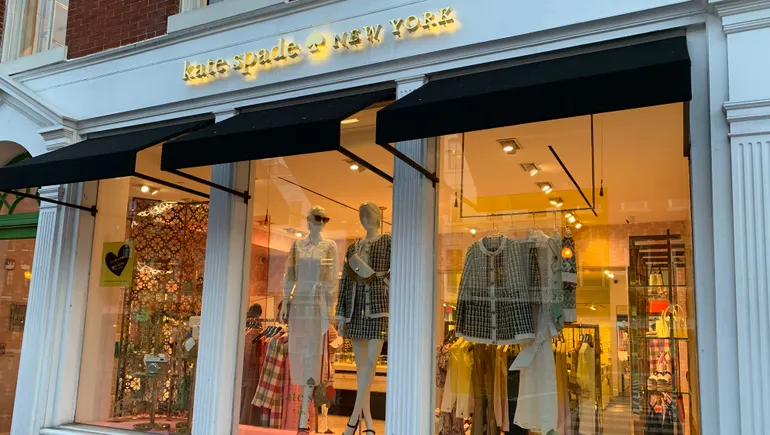
However, the performance across its portfolio remains bifurcated. The Coach brand continues to act as a growth engine, with Q4 revenue surging 15% to $1.6 billion. Conversely, Kate Spade has faced headwinds, reporting a 7% decline in revenue to $235 million during the same period. By leveraging Google’s AI, Tapestry is likely aiming to revitalize Kate Spade’s visibility, utilizing the platform’s recommendation algorithms to reach new demographics who may not be visiting the brand’s standalone website or physical storefronts.
Official Perspectives on the Digital Shift
Joanne Crevoiserat, Chief Executive Officer of Tapestry, framed the collaboration as a necessity for modern brand relevance. "Our goal is for shoppers to find and engage with our brands at the moment when inspiration strikes," Crevoiserat stated. She emphasized that the strategy is not about replacing traditional retail but about creating an "omnichannel" presence that meets the consumer in whatever environment they choose to inhabit.
From the technical side, Yang Lu, Chief Information and Data Officer at Tapestry, addressed concerns regarding the "black box" nature of AI shopping. There has been significant industry apprehension that by selling through third-party AI platforms, brands might lose their direct connection to the customer—specifically, the ability to collect first-party data and maintain control over the brand narrative.
"Tapestry’s launch of UCP [Unified Commerce Platform] is about staying close to the consumer and building an infrastructure that is flexible and ready for wherever our customers are discovering and shopping for products," Lu explained. He reassured stakeholders that the data loop remains intact: because the AI facilitates a purchase that is eventually processed through Tapestry’s internal systems, the company retains the same customer insight data it would have gathered from a traditional web transaction.
Implications for the Future of Retail
The move by Tapestry highlights a central tension in modern retail: the struggle between maintaining brand autonomy and participating in the platforms where consumers actually spend their time.
Industry analysts point out that while the AI integration offers a clear path to increased conversion rates, it also shifts the balance of power. If Google’s algorithm becomes the primary gatekeeper for brand discovery, retailers may find themselves in a position where they must optimize their product descriptions, photography, and metadata to satisfy the AI’s requirements, much as they have had to optimize for SEO for decades.

Furthermore, there is the risk of "de-branding." In an AI-driven search result, the distinction between a luxury item and a mass-market alternative can sometimes blur, as the AI prioritizes efficiency and relevance over brand prestige. To counter this, luxury houses like Coach are investing heavily in "brand-safe" AI environments where the AI is trained to understand the specific value proposition, heritage, and quality standards of the brand.
Addressing the Data and Market Share Debate
Some retail experts remain cautious. A recurring theme in retail analysis is that relying on third-party platforms for transactions could potentially distance a brand from its customers over time. If a customer develops a habit of shopping for Coach bags exclusively through Gemini, their loyalty may shift to the platform (Google) rather than the brand itself.
However, Tapestry’s management argues that the current retail reality necessitates this risk. As the barrier to entry for digital shopping continues to lower, the brands that remain absent from the AI conversation risk becoming invisible to the next generation of digital-native shoppers. By opting for a partnership rather than a siloed approach, Tapestry is positioning itself to lead in the "ambient computing" era—where the act of shopping becomes a subtle, background activity integrated into daily life.
Looking Ahead
As Tapestry continues to integrate its operations, the next phase will likely involve deeper personalization. With the vast amounts of data the company collects on its own, it could theoretically feed that into the AI’s recommendation engine to create a bespoke shopping experience that is far more accurate than what a general-purpose AI could provide on its own.
The success of this experiment will be measured not just in immediate conversion rates, but in how effectively the brands can maintain their premium status while operating within a utility-focused AI interface. For now, the move stands as a bold declaration that for the modern luxury brand, the store is no longer just a place on the high street—it is a node in a global, intelligent, and highly responsive digital network.
Whether this strategy successfully reverses the downward trend at Kate Spade or further accelerates the growth of Coach remains to be seen. However, the decision by Tapestry to dive into this space underscores a fundamental truth about 21st-century commerce: in the age of AI, the brand that reaches the customer first—and with the most relevant information—is the brand that wins the sale.